Australia’s Indigenous Youth Detention Rates Rise Despite Closing the Gap Targets
A new government report reveals alarming increases in the detention of Aboriginal and Torres Strait Islander children, with advocates calling for urgent reform and a raised age of criminal responsibility.
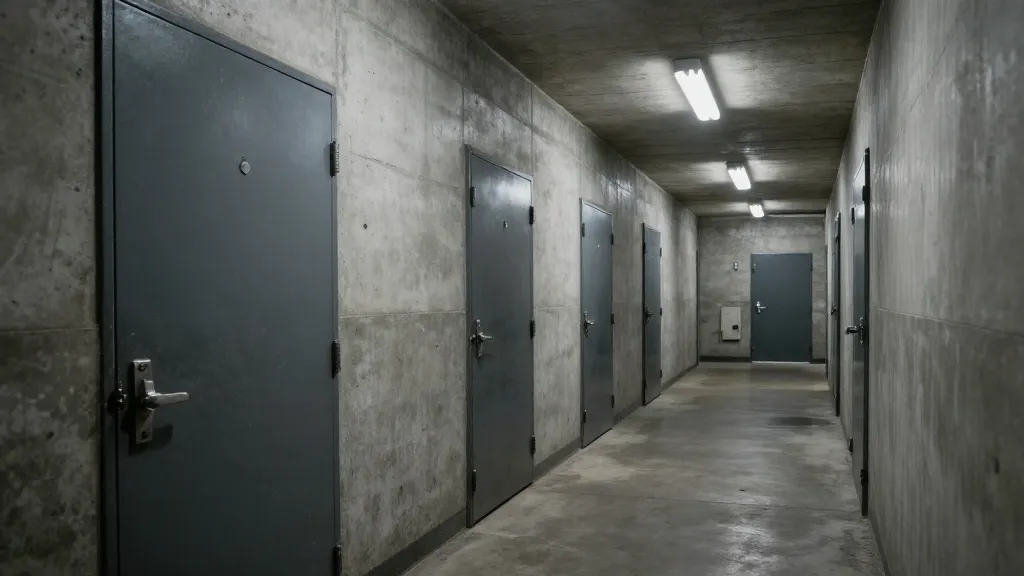


- First Nations adult imprisonment rates rose to over 2,500 per 100,000 in 2025.
- Indigenous youth detention rates showed no change from baseline targets for 2031.
- The average time Indigenous children spend in unsentenced detention is 57.2 days nationally.
- Amnesty International Australia launched the 'Kids Need Better' campaign in August 2026.
- Indigenous children are 28 times more likely to be detained than non-Indigenous children.
A recent update from the Australian Government Productivity Commission highlights a worsening crisis in the treatment of Indigenous youth within Australia’s justice system. The report, part of the National Agreement on Closing the Gap, shows that First Nations prisoners are being detained at rising rates, with no progress toward the target of reducing youth detention by 30 per cent by 2031.
In 2025, the rate of First Nations adults in prison jumped to more than 2,500 per 100,000, up from 2,300 the previous year. Among youth aged 10 to 17, there were 25.7 children in custody per 10,000 on an average day in 2024-25, a figure unchanged from baseline levels.
Data from the National Aboriginal and Torres Strait Islander Legal Service (NATSILS) indicates that Indigenous youth spend significantly longer in unsentenced detention than other populations. The national average is 57.2 days, with Queensland recording the highest average at 96.3 days and Victoria at 81.1 days.
"The data shows that yet again, Aboriginal and Torres Strait Islander children — who have had no finding of guilt against them — are being locked up at alarming rates and for alarming amounts of time," said NATSILS General Manager Nick Espie. He noted that detention costs taxpayers nearly AUD 3,200 per child while increasing the likelihood of reoffending.
The United Nations Human Rights Office has expressed alarm over these figures, warning that they reflect systemic racial discrimination. In several Australian states and territories, the minimum age of criminal responsibility remains as low as 10 years old, well below international human rights standards.
In response, Amnesty International Australia launched its "Kids Need Better" campaign in August 2026. The campaign calls for raising the age of criminal responsibility to at least 14, establishing enforceable minimum standards for children in custody, and investing in Indigenous-led community solutions.
More than 200 organizations have endorsed an open letter to Prime Minister Anthony Albanese, urging him to call an emergency summit on youth justice. The letter describes the current situation as an "emergency" driven by political point-scoring rather than evidence-based reform.
A 2025 Australian Human Rights Commission report, "Help Way Earlier!", found that Indigenous children are 28 times more likely to be in detention than non-Indigenous children. It emphasized that early support for children facing poverty, trauma, and mental health issues is critical to preventing criminal involvement.
Despite some state-level diversion initiatives, advocates argue that progress remains insufficient. Federal Minister for Indigenous Australians Malarndirri McCarthy has urged state and territory governments to honor their commitments under the National Agreement with meaningful investments and policy changes.
Corrections: [email protected]