Maasai Displacement in Tanzania Raises Peace and Conservation Concerns
Research highlights how forced evictions of Maasai communities in northern Tanzania under the guise of conservation are fueling conflict, prompting calls for people-centered environmental policies.
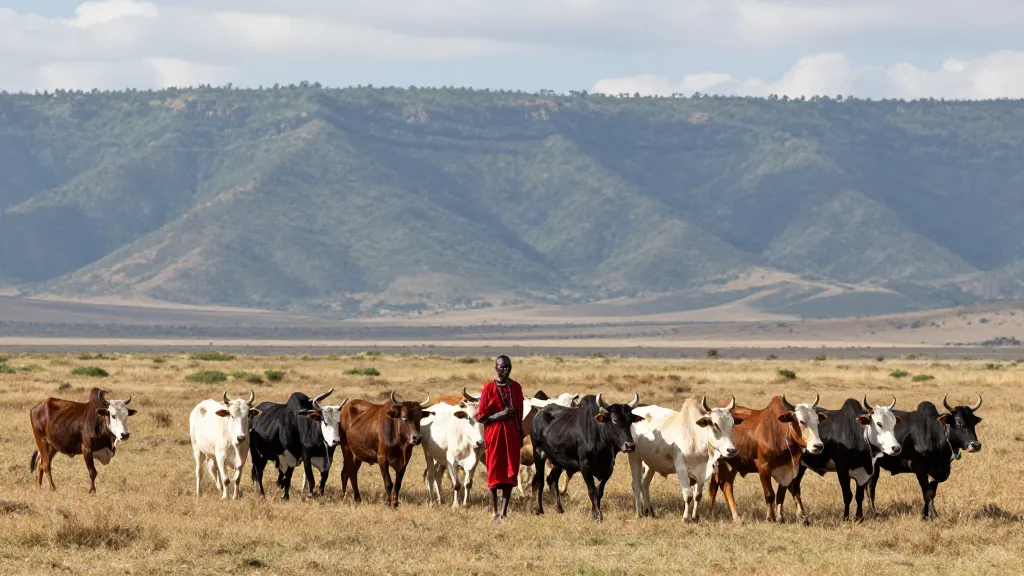


- Maasai communities in Ngorongoro and Loliondo face repeated displacement under conservation mandates.
- 2022 evictions in Loliondo led to violence, including one police death and one missing Maasai man.
- Critics label the policy 'green grabbing,' prioritizing tourism over indigenous rights.
- Researchers call for free, prior, and informed consent in all conservation planning.
- Displacement risks increasing farmer-herder conflicts in other regions of Tanzania.
In northern Tanzania, a growing conflict over land conservation has evolved into a critical issue of peace, justice, and survival for Indigenous Maasai communities. Recent research published by Gabriel Kanuti Ndimbo and Evaristo Haulle examines the repeated displacement of Maasai people in the Ngorongoro Conservation Area (NCA) and the Loliondo Game Controlled Area (LGCA).
The Tanzanian government, utilizing police and security forces, has enforced evictions by claiming that Maasai pastoralists are overburdening environmental resources. This approach has sparked violent confrontations. In 2022, attempts to demarcate 1,500 square kilometers of land in Loliondo resulted in injuries, arrests, the death of a police officer, and the disappearance of a Maasai man after he was shot.
While organizations like the International Union for Conservation of Nature (IUCN) argue that relocation is necessary to protect biodiversity from growing populations and livestock, critics describe these actions as “green grabbing.” They contend that conservation efforts are being used to seize community land for tourism and investment interests while marginalizing local residents.
The Maasai, who were originally resettled in Ngorongoro and Loliondo after being removed from Serengeti National Park in 1959, view themselves as guardians of the land. Their pastoral lifestyle is deeply tied to their identity, spirituality, and social cohesion. Displacement not only strips them of economic resources but also threatens cultural survival and risks shifting conflict to other regions where displaced herders compete with farmers for shrinking resources.
The authors argue that treating conservation as a militarized exclusionary process undermines peacebuilding. Instead, they propose a new conservation compact based on five principles:
- Guaranteeing meaningful participation and free, prior, and informed consent before any land-use changes.
- Including Maasai elders, women, youth, and local experts in conservation planning.
- Ensuring any relocation is genuinely voluntary, transparent, and fairly compensated.
- Prioritizing dialogue-based conflict resolution.
- Recognizing local communities as essential partners in conservation rather than threats.
The case illustrates a global challenge: protecting nature without dispossessing the people who have lived with it for generations. The authors conclude that true conservation must protect wildlife, culture, and human dignity simultaneously, asking whose nature is being protected and at what human cost.
Corrections: [email protected]