Nepal’s Community Forests Drive Climate Resilience Through Sal Leaf Enterprises
Women-led enterprises in Nepal are transforming community forest resources into biodegradable tableware, offering a sustainable alternative to plastics while boosting local incomes and environmental conservation.


- Sal leaf plate production has a lower carbon footprint than plastic or paper alternatives.
- Tapari Global employs women from over 1,000 families in Nepal.
- Nepal has designated nearly 2.58 million hectares as community forests.
- The Dhulekhar Community Forest can produce over 6.7 million biodegradable items annually.
- Women-led enterprises are key to linking forest conservation with economic resilience.
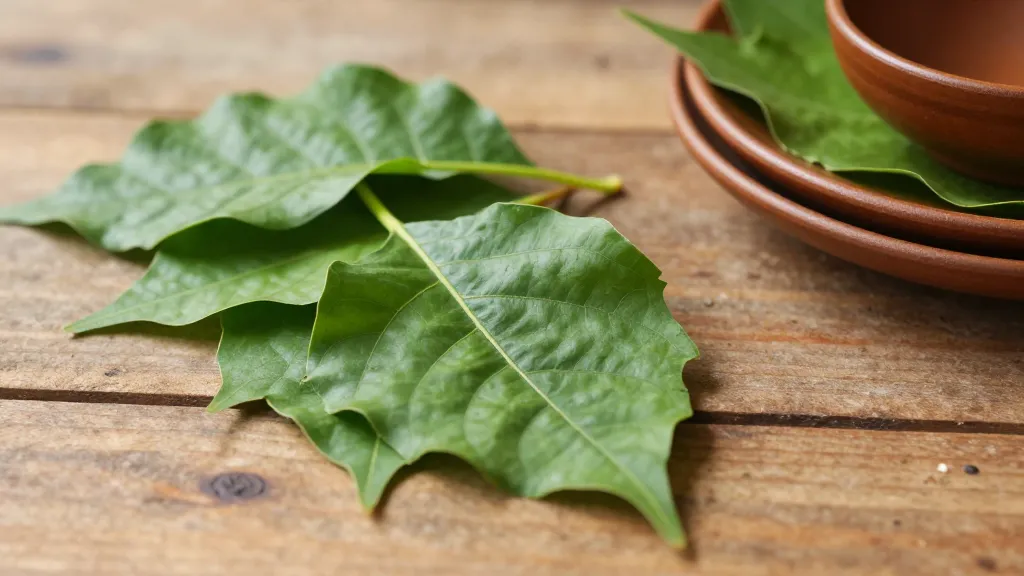
In rural Nepal, traditional leaf plates known as duna (bowls) and tapari (plates) are experiencing a resurgence. While paper, plastic, and styrofoam have largely replaced these items in urban areas, rural communities continue to use leaves from bauhinia creepers, banana plants, areca palms, and particularly the sal tree (Shorea robusta) for religious rituals, festivals, and daily meals.
This cultural practice is now evolving into a significant climate solution. Rising demand for sustainable products has spurred the growth of small enterprises that produce biodegradable tableware from sal leaves. These initiatives are supported by non-governmental organizations (NGOs) and international bodies, turning traditional knowledge into viable green businesses.
Environmental and Health Benefits
Binod Baral, a UK-based chef and R&D specialist at Tapari Global Private Limited, highlights the ecological advantages of this industry. Established in 2017, Tapari Global employs women from over 1,000 families to produce tapari. Baral notes that manufacturing sal leaf plates requires minimal processing and energy, resulting in a significantly lower carbon footprint compared to plastic or paper alternatives.
Furthermore, these products are chemical-free. Unlike some plastics and foam containers, sal leaves do not leach harmful substances into food, making them a healthier option for consumers, particularly in eco-conscious markets in Europe and North America.
Empowering Women Through Community Forests
Several initiatives are leveraging Nepal’s community forest model to support these enterprises. In the Dangisharan Rural Municipality of western Nepal, a group of 21 women operates the Milijuli Tilakanya Dunatapri Udhyami Firm. Supported by the Food and Agriculture Organization (FAO) of the United Nations, they use electricity-operated machines manufactured by the National Innovation Centre to produce duna and tapari.
Similarly, in Pyuthan District, the People, Energy and Environment Development Association (PEEDA) supports a bio-bowl and plate enterprise. This group, managed by 22 women—more than half of whom are Indigenous—collects sal leaves from the Dhulekhar Community Forest. The enterprise combines indigenous practices with improved technology to create market-oriented, eco-friendly products.
Scale and Potential
The potential for such enterprises is substantial. The Dhulekhar Community Forest, covering 488.68 hectares and managed by 339 households, can annually supply over 25,000 kilograms of sal leaves. This raw material capacity allows for the production of approximately 5.2 million bio-bowls and 1.5 million bio-plates each year.
Nepal’s community forest program, established under the Forest Act of 1993, has handed over nearly 2.58 million hectares of forestland to local user groups as of 2020 estimates. While some researchers note that these forests have not always met expectations for income generation and productivity, initiatives like leaf plate manufacturing demonstrate a pathway to enhancing economic benefits.
Building Climate Resilience
Nepal faces increasing climate vulnerability, including annual forest fires and drying water sources, despite its low contribution to global carbon emissions. These environmental challenges disproportionately affect local communities, particularly women.
Forest-based enterprises offer a dual solution: they provide sustainable livelihoods that reduce economic vulnerability while promoting forest conservation and resilience. By transforming traditional skills into commercial green enterprises, these women-led groups are contributing to environmental protection and local economic development—one leaf at a time.
Corrections: [email protected]