MSF Reports Surge in Cholera Cases Amid Haiti's Water and Security Crisis
Doctors Without Borders treated 150 new cholera patients in early March, citing a dangerous combination of limited clean water access and unsanitary conditions for displaced victims of gang violence.
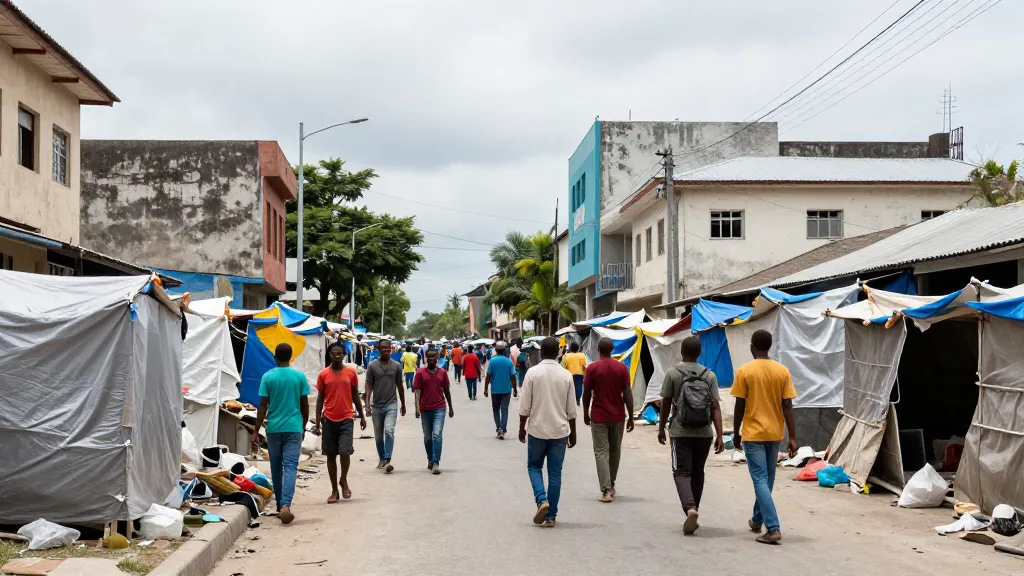

- MSF treated 150 cholera patients between Feb. 15 and March 6.
- Cite Soleil neighborhood reported 19 infections in that period.
- Rising cases linked to lack of clean water and gang violence displacement.
- Displaced victims living on streets face unsanitary conditions.
Medecins Sans Frontiere (MSF), also known as Doctors Without Borders, has reported a significant rise in cholera cases in Haiti. The international humanitarian organization confirmed that it treated 150 individuals for the disease between February 15 and March 6.
The outbreak is particularly acute in the Cite Soleil neighborhood, which accounted for 19 of the reported infections during this period. MSF officials have expressed serious concern regarding the upward trend, warning that the situation could deteriorate further without immediate intervention.
The resurgence of cholera is being driven by a convergence of critical factors. Primary among them is the severely limited access to clean drinking water for many Haitians. This infrastructure deficit is exacerbated by the ongoing crisis of gang violence, which has forced numerous victims to live on the streets in unsanitary conditions.
These displaced populations lack basic hygiene facilities, creating an ideal environment for the rapid spread of waterborne diseases like cholera. The combination of poor sanitation and inadequate water supply poses a severe public health threat, particularly in densely populated urban areas like Cite Soleil.
MSF is currently providing treatment to those affected but emphasizes that addressing the root causes—specifically water access and safe shelter for displaced persons—is essential to curbing the outbreak. The organization’s report highlights the urgent need for coordinated humanitarian response to prevent further loss of life.
Corrections: [email protected]