Indigenous Peoples Steward 25% of Global Landmass, Drive Biodiversity and Innovation
Despite comprising only 6.2% of the world's population, Indigenous communities manage a quarter of the planet's land, safeguard critical biodiversity, and contribute significantly to global culture and science.
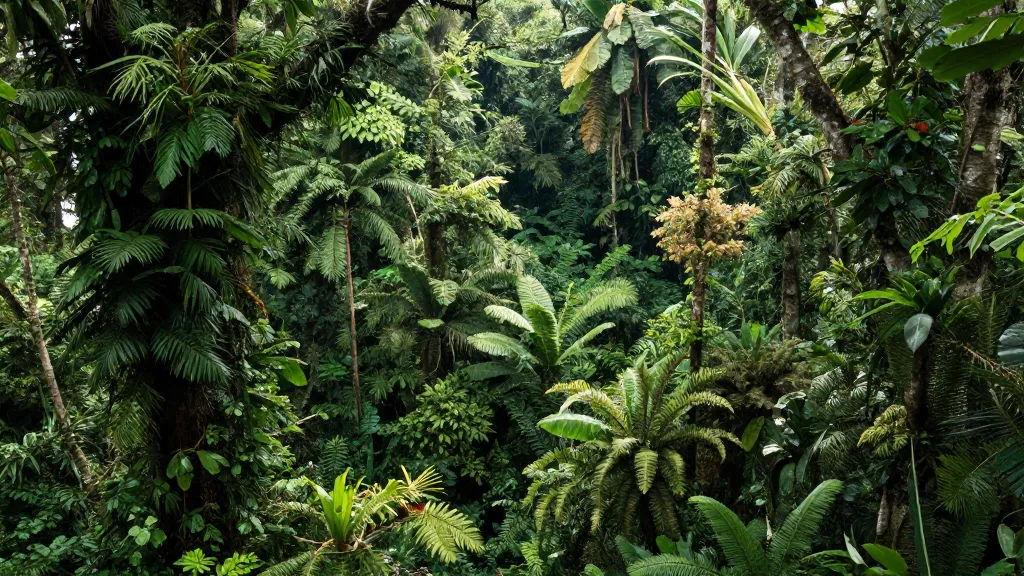


- Indigenous peoples make up 6.2% of the global population but manage 25% of the planet's land.
- Traditional landscape management by Indigenous communities is key to preserving global biodiversity.
- Indigenous innovations include staple crops like maize and potatoes, as well as medicines like aspirin.
- Indigenous languages account for the majority of the world's 7,000 spoken languages.
- Indigenous land defenders are disproportionately targeted by violence and murder.
Indigenous peoples represent approximately 6.2 percent of the global population—roughly 476 million individuals—yet they steward 25 percent of the Earth’s landmass. According to a Maya researcher and Indigenous activist writing for Global Voices, these territories house a significant portion of the planet's biodiversity, challenging the misconception that conservation is merely a byproduct of technological absence.
Recent studies indicate that this ecological preservation results from intricate, multifaceted landscape management practices developed over centuries. Indigenous communities actively maintain and expand biological diversity through traditional knowledge systems, treating animals, plants, and landscapes as "other-than-human relatives." This stewardship is increasingly vital for global survival, though it comes at a high cost: environmental activists who are disproportionately Indigenous face kidnapping, murder, and violence while defending their lands.
Beyond environmental impact, Indigenous contributions to global society are profound. These communities have introduced staple foods such as maize, potatoes, quinoa, avocados, and cacao to the world’s diets. They also provided medicinal resources including aspirin, quinine, and stevia. Furthermore, Indigenous innovations shaped modern sports like lacrosse and hockey, influenced political structures such as constitutional federalism, and contributed to fields ranging from botany to multi-crop agriculture.
Indigenous languages represent the majority of the 7,000 languages still spoken worldwide. However, these linguistic heritages face threats from discrimination, economic marginalization, and assimilation pressures. Today, Indigenous peoples inhabit diverse environments, from Arctic regions and rainforests to major urban centers including Mexico City, Toronto, Sydney, and Barcelona.
Despite the adoption of the United Nations Declaration on the Rights of Indigenous Peoples in 2007, communities continue to face pressure from national governments, extractive industries, and new developments such as data centers and renewable energy farms. These entities often view Indigenous territories as "empty lands," echoing colonial justifications for dispossession.
"Rather than presenting Indigenous stories as past or marginal stories, I want to highlight their importance as global stories," the author states. The article argues that mainstream media must move beyond stereotypes and exoticization to accurately reflect the contemporary realities, resilience, and essential role of Indigenous peoples in shaping a sustainable future.
Corrections: [email protected]