Transgender Man's Mosque in Pakistan Sparks Community Conflict
Rajab Ali spent his life savings to build a mosque in Okara, but neighbors are now harassing him for praying there due to his transgender identity.
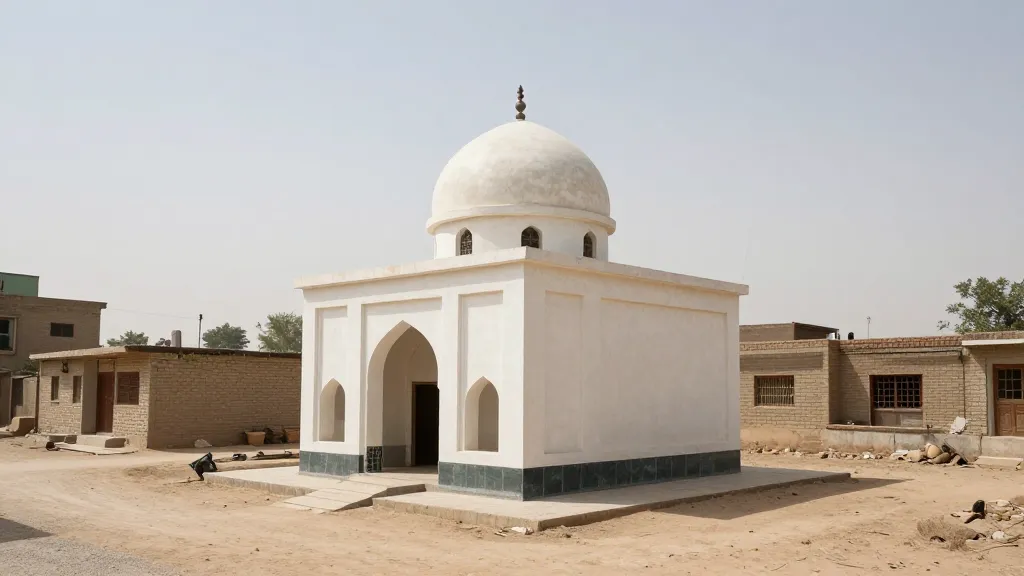


- Rajab Ali spent 6 million Pakistani rupees (USD 21,000) to build a mosque in Okara district.
- Pakistan’s 2018 Transgender Persons Act was partially struck down by a federal court in 2023.
- Religious scholars disagree on whether Ali's identity or his past income from dancing disqualifies him from funding the mosque.
- Ali faced theft and harassment during construction, pausing work for 18 months before completing the mosque in late 2025.
Rajab Ali, a 46-year-old transgender man in Okara, Punjab, invested his entire life savings of 6 million Pakistani rupees (USD 21,000) to build a mosque for his community. He hoped the structure would foster goodwill and allow residents to pray without gender discrimination. However, now that the mosque is complete, Ali faces harassment from neighbors who refuse to worship in a space built by someone they identify as Khawaja Sira, or third gender.
The conflict highlights a sharp divide within Pakistan’s religious and social landscape. Religious scholar Asif Riaz argues that Ali’s transgender identity is not a sin and should not disqualify him from funding a sacred space, noting that society often overlooks mosques built with corrupt money. Conversely, another anonymous Islamic scholar contends that income earned through dancing—Ali’s previous profession—is religiously prohibited and therefore unfit to fund a mosque.
Ali’s experience mirrors broader legal and social tensions in Pakistan. Although the 2018 Transgender Persons Act granted equal rights and access to public spaces, a federal court struck down key provisions in 2023, citing conflicts with Islamic principles. Since then, transgender people have faced a wave of violent attacks and exclusion from places of worship.
During construction, which began in December 2022, Ali endured thefts of motor parts and water taps, as well as direct harassment. He paused the project for a year and a half before resuming work in November 2025. Today, while some community members like Javed Iqbal support his right to pray there, others question his presence during services. Ali fears for his safety but maintains that his intention was purely spiritual.
Corrections: [email protected]