Herat arrests signal shift in Taliban repression strategy
The detention of at least 30 women in Herat for dress code violations marks a turning point, using fear to enforce self-censorship and erase Afghan women from public life.
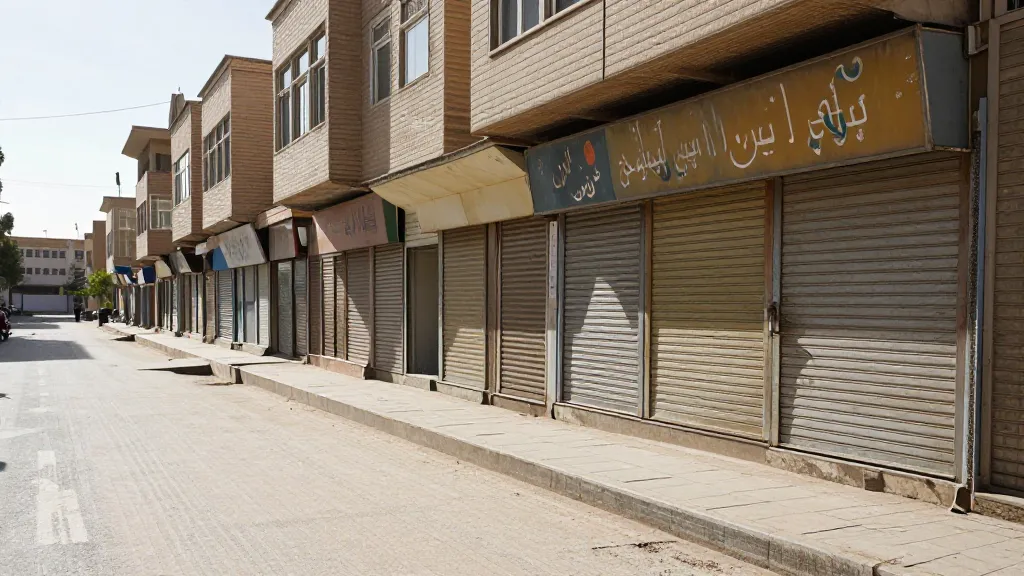


- At least 30 women were detained in Herat on June 6, 2026, for dress code violations.
- Afghanistan is the only country banning girls from education beyond the sixth grade.
- Fear of arrest has led many Afghan women to self-impose isolation and avoid public spaces.
- The Taliban returned to power in August 2021 and has since banned women from universities and most workplaces.
- International actors maintain limited engagement with the Taliban for humanitarian aid and migration management.
On June 6, 2026, Taliban forces detained at least 30 women in Herat, Afghanistan, for allegedly violating strict dress codes. These arrests represent a strategic shift in state repression, moving beyond written bans to enforce compliance through fear and self-censorship.
The detentions have triggered a widespread behavioral change among Afghan women. Fear of arbitrary arrest has turned ordinary activities—visiting markets, attending medical appointments, or gathering with family—into calculated risks. Many women now restrict their movement, postpone journeys until a male relative can accompany them, or avoid leaving home entirely.
This self-imposed isolation is the regime’s most effective tool of control. By cultivating uncertainty, the Taliban ensures that women regulate their own behavior without constant physical coercion. The result is a silent erasure: women disappear from streets, workplaces, schools, and clinics not because they are arrested, but because invisibility has become the safest means of survival.
Since returning to power in August 2021, the Taliban has systematically dismantled women’s rights. They have banned girls from secondary education and universities, excluded women from most workplaces, and severely restricted freedom of movement. Afghanistan remains the only country where girls are prohibited from schooling beyond the sixth grade.
International engagement with the de facto government complicates this reality. The European Union and other actors maintain limited channels with the Taliban to facilitate humanitarian aid and manage migration. Critics argue that this practical cooperation risks normalizing a regime that institutionalizes gender-based discrimination, often overshadowing human rights concerns.
The challenge for the international community is no longer whether to engage, but how to ensure that diplomatic and humanitarian efforts do not come at the expense of fundamental rights. Sustained pressure for accountability remains essential to keep Afghan women’s rights central to global policy.
Corrections: [email protected]