Afghan Woman Entrepreneur Arrested for Defying Taliban Work Bans
A female business owner in Afghanistan was detained and humiliated by Taliban forces after creating jobs for women, illustrating the severe risks of operating under strict gender segregation laws.
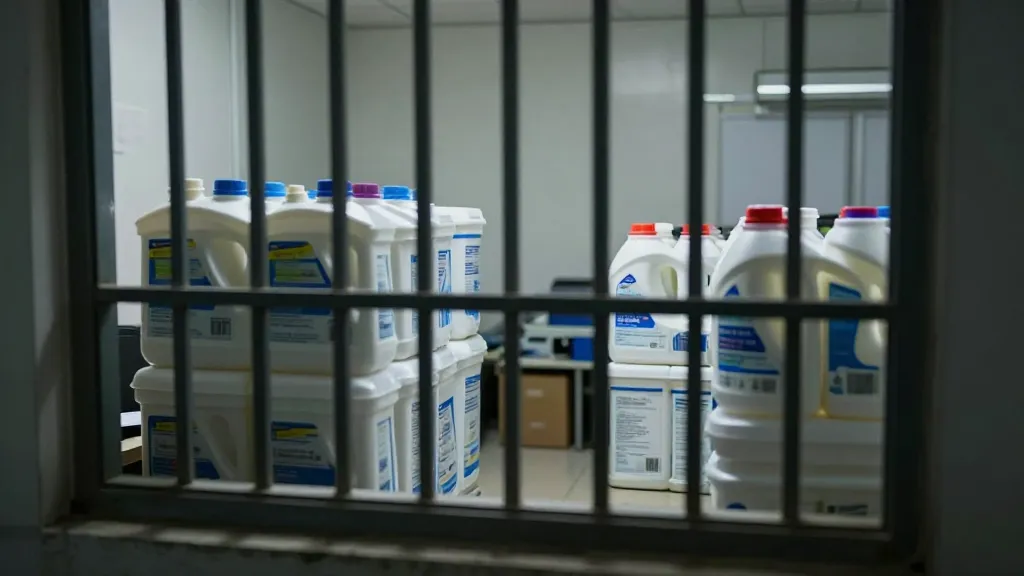


- Arezo started a detergent and plastic business in 2023 employing six women and eight men.
- Taliban authorities arrested Arezo and detained her in the serious crimes department.
- She was released only after her family provided a guarantee.
- Taliban bans prohibit women from working in government and private sectors.
- Women face mandatory burqa laws and require a male guardian for public movement.
An Afghan woman entrepreneur has been arrested and detained by Taliban authorities for operating a business that employs women, highlighting the extreme dangers facing female workers in the country since the 2021 takeover.
The author, known as Arezo, launched a detergent and plastic manufacturing business in 2023. The venture created jobs for six women and eight men, directly contravening Taliban decrees that ban women from working in both government and private sectors.
From the outset, Arezo faced systemic hostility. Officials at registration departments subjected her to intrusive questioning and contemptuous stares. Market visits drew reproach from store owners. Daily operations were conducted under constant fear of Taliban raids, during which inspectors scrutinized her hijab and demanded she fire all female staff.
Attempts to comply with gender segregation rules by providing separate work areas for men and women failed to satisfy authorities. The Taliban continued to find excuses to restrict women’s presence in the workplace.
The situation escalated when Arezo was arrested and transferred to the serious crimes department. She reported being detained for an extended period without respect for her humanity or gender. Her release came only after her family provided a guarantee.
Arezo describes the experience as deeply humiliating, driven solely by her attempt to earn a living and support others. Her case exemplifies the broader crackdown on Afghan women’s rights, which includes bans on education, public movement without a male guardian (mahram), and mandatory burqa usage.
Despite initial assurances in 2021 that women’s rights would be protected, the Taliban have systematically dismantled legal protections. Women are now effectively confined to their homes, with public spaces largely devoid of female presence. The regime’s policies have created what Arezo calls a “social quarantine,” stripping women of independence, hope, and basic freedoms.
The arrest underscores the lethal risk of economic participation for Afghan women. Even small-scale entrepreneurship is treated as a criminal act when it involves female employment or visibility. With no legal recourse and escalating restrictions, the future for independent Afghan women remains bleak.
Corrections: [email protected]