Civilians Rape Displaced Women in Eastern DRC for Survival Jobs
Displaced women in eastern DRC face sexual violence from civilians while seeking domestic work, with most victims staying silent due to fear and economic desperation.
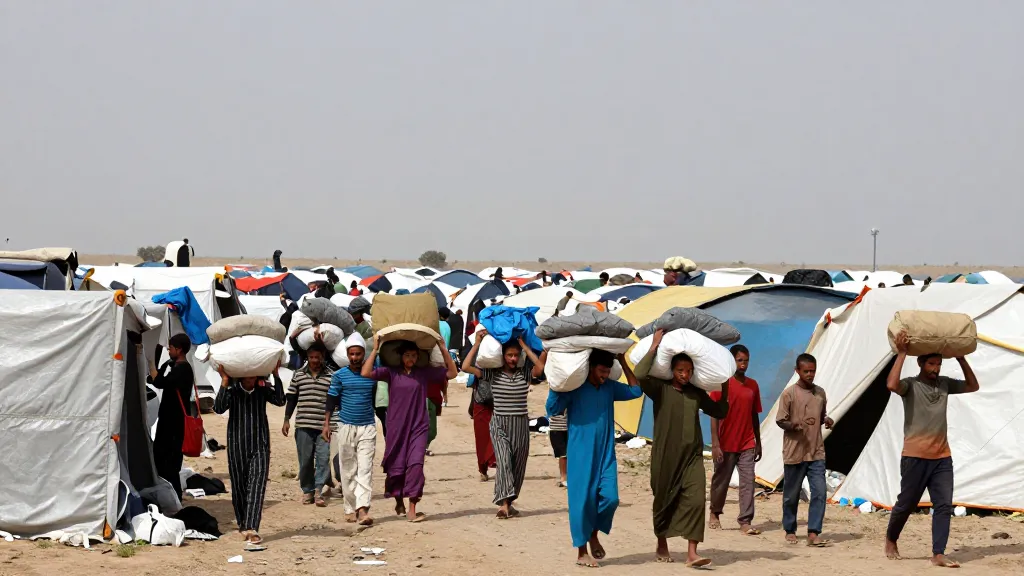


- Civilians in eastern DRC are raping displaced women seeking domestic work.
- Most victims do not report assaults due to fear of reprisal and economic dependence.
- Rape is punishable by 5-20 years under Article 170 of the Congolese Penal Code.
- 70% of women in Kashaka Shabindu camp face violence risks.
- Survivors are starting small businesses to reduce vulnerability.
Displaced women in eastern Democratic Republic of the Congo (DRC) are being raped by civilians who exploit their desperate need for income. While armed conflict drives displacement, perpetrators include local residents who target women seeking domestic work.
Charline, a woman in her twenties, was assaulted while washing clothes for 5,000 Congolese francs (USD 2.19). Her employer’s son lured her inside and raped her. She did not report the crime, fearing reprisal from the family.
"We live in squalor at the camp," said a mother of two at the Don Bosco refugee camp in Ngangi. "Every morning, I set off into town looking for work. Some men take advantage of this to abuse us. We find it difficult to report these incidents because we are constantly looking for means to feed our families."
Attorney Patrick Musambali notes that rape violates Article 170 of the Congolese Penal Code, punishable by five to twenty years in prison. However, most victims remain silent due to fear.
Clinical Psychologist Semu Sikulimwenge of HEAL Africa Hospital in Goma emphasizes economic independence as a protective factor. "Developing means of survival, especially through income-generating activities, is essential for fostering the victims’ economic independence," he said.
Aurélie Maliro of Women Power reports that 70 percent of women from the Kashaka Shabindu camp in northern Goma face violence risks, leading to unwanted pregnancies and sexually transmitted infections. The organization provides psychosocial support and advocates for government aid.
Some survivors are turning to small businesses to avoid exploitation. One anonymous woman at Don Bosco buys food products from nearby vendors to resell within the camp. "This way, I can make a living and meet other needs," she said.
Advocates stress that without safe reporting mechanisms and economic alternatives, perpetrators will continue with impunity.
Corrections: [email protected]